

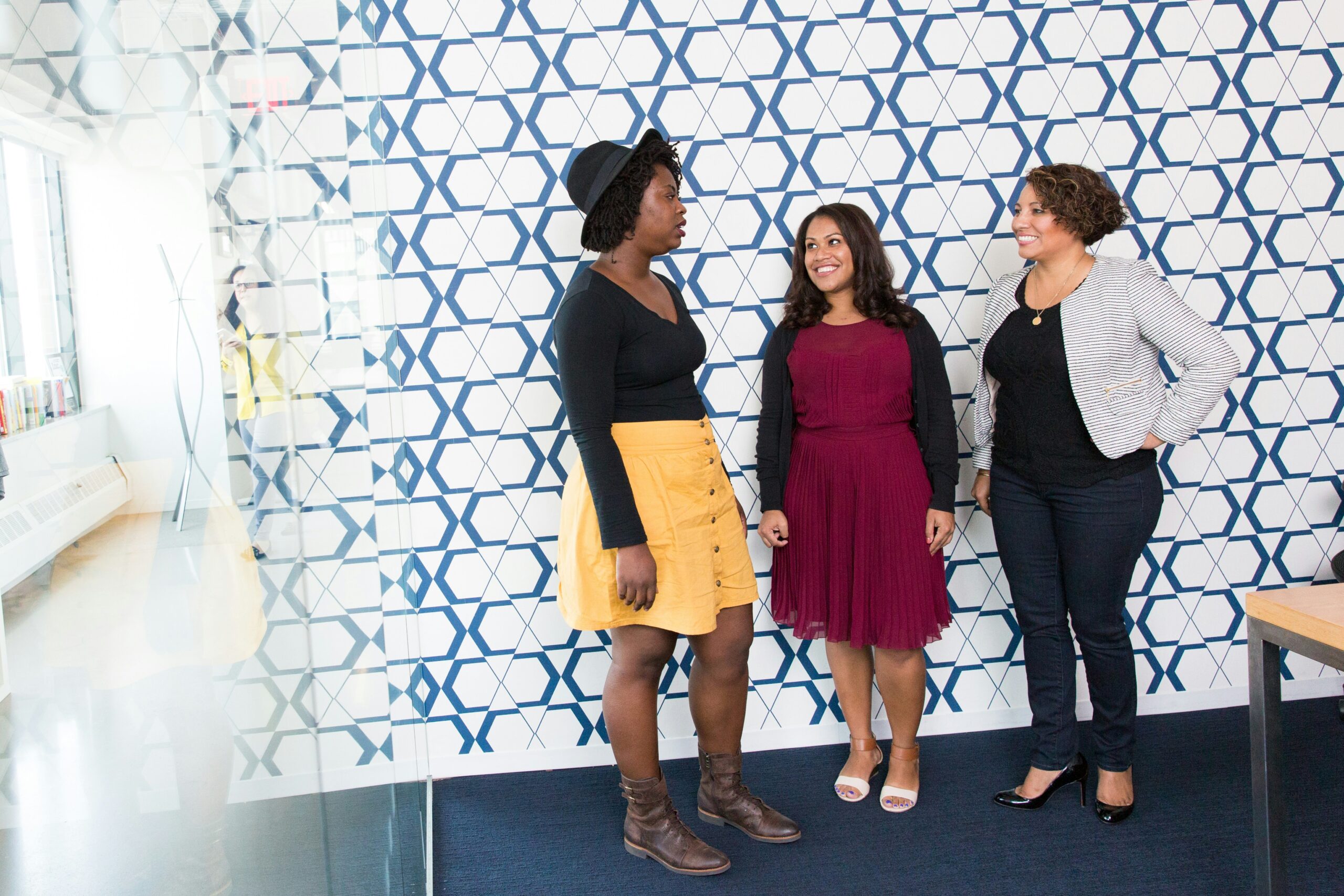
For a long time, many women built successful careers without needing public visibility.
Their reputation lived inside boardrooms, referrals, private networks, and word of mouth introductions. Opportunities came through relationships built quietly over years of expertise and consistent results.
That model is changing.
Today, more women leaders are intentionally building personal brands online, not because they want attention, but because they want ownership.
Ownership of their voice.
Ownership of their authority.
Ownership of the opportunities they attract.
And increasingly, LinkedIn has become the place where that shift is happening.
Visibility Is No Longer Optional
For decades, visibility was often framed as self promotion, something many women were subtly discouraged from embracing.
Work hard. Deliver results. Let your work speak for itself.
The problem is that excellent work does not always travel beyond the room where it happens.
In a digital economy, decisions are frequently influenced long before conversations begin. Investors research founders online. Clients look up consultants before discovery calls. Podcast hosts and event organizers search for credible voices to feature.
If your expertise is not visible, someone else’s will be.
Lleaders are recognizing that visibility is not about ego. It is about access.
Sharing ideas publicly allows them to shape conversations instead of reacting to them later. It ensures their perspective exists in spaces where decisions are already being formed.
Visibility becomes leverage.
Authority Shouldn’t Be Borrowed
Many talented women have spent years building brands for companies, clients, or organizations.
They helped businesses grow audiences, strengthen messaging, and expand influence, often without building recognition under their own name.
A personal brand changes that dynamic.
When leaders share insights connected to their lived experience, their authority becomes portable.
It travels with them across industries, career transitions, and new ventures.
This matters more than ever in an environment where careers are rarely linear. Founders launch multiple companies. Executives transition into advisory roles. Consultants expand into thought leadership or education.
Owning your authority means your reputation does not reset every time your role changes.
It compounds.
Posting thoughtful perspectives, lessons learned, and professional insights allows women leaders to document expertise in real time. Over months and years, those posts become a visible archive of experience.
Not self promotion.
Proof.
Relationship-Driven Marketing Feels Natural
Traditional marketing often prioritizes volume.
More outreach. More ads. More noise.
Many founders and executives gravitate toward a different approach.
They build relationships first.
LinkedIn allows conversations to happen gradually. Someone reads your posts for months before reaching out. A peer engages consistently until collaboration becomes obvious. A potential client feels familiar with your thinking before the first message is ever sent.
This is marketing without pressure.
Instead of convincing strangers to trust you quickly, personal branding allows trust to develop organically.
Stories about leadership challenges resonate with other founders navigating similar moments. Reflections on growth attract professionals looking for mentorship or collaboration.
Relationships begin long before transactions.
For leaders who value depth over scale, this approach feels aligned rather than forced.
Redefining What Leadership Looks Like Online
Another reason more women leaders are showing up online is simple.
Representation matters.
When one founder shares openly about decision making, boundaries, burnout recovery, or building a business around personal values, it expands what leadership looks like for others watching quietly.
Visibility creates permission.
It tells other women they do not have to adopt someone else’s voice or leadership style to succeed.
They can be thoughtful instead of loud. Strategic instead of reactive. Honest instead of performative.
And audiences respond to that authenticity.
A Long-Term Investment
Building a personal brand is rarely about quick wins.
It is a long term investment in reputation.
Over time, consistent visibility leads to invitations, partnerships, speaking opportunities, inbound clients, and unexpected collaborations.
Not because someone went viral.
Because people learned how they think.
More leaders are embracing personal branding because it aligns with how they already lead, through relationships, credibility, and intentional communication.
In a crowded digital landscape, the strongest signal is not volume.
It is clarity.
And when expertise becomes visible, opportunities tend to follow.
